Thermal vs. Impact Printers: Which Receipt Printer Is Right for Your Business
Choosing the right receipt printer can feel like a small decision, but it’s one that impacts daily operations, customer experience, and even your bottom line. Whether you run a bustling retail store, a cozy café, or a busy warehouse, the type of printer you select matters. Thermal and impact printers are the two main contenders, each with distinct strengths and weaknesses. Understanding the differences can help you pick the best fit for your business needs.
How Thermal Printers Work and What They Offer
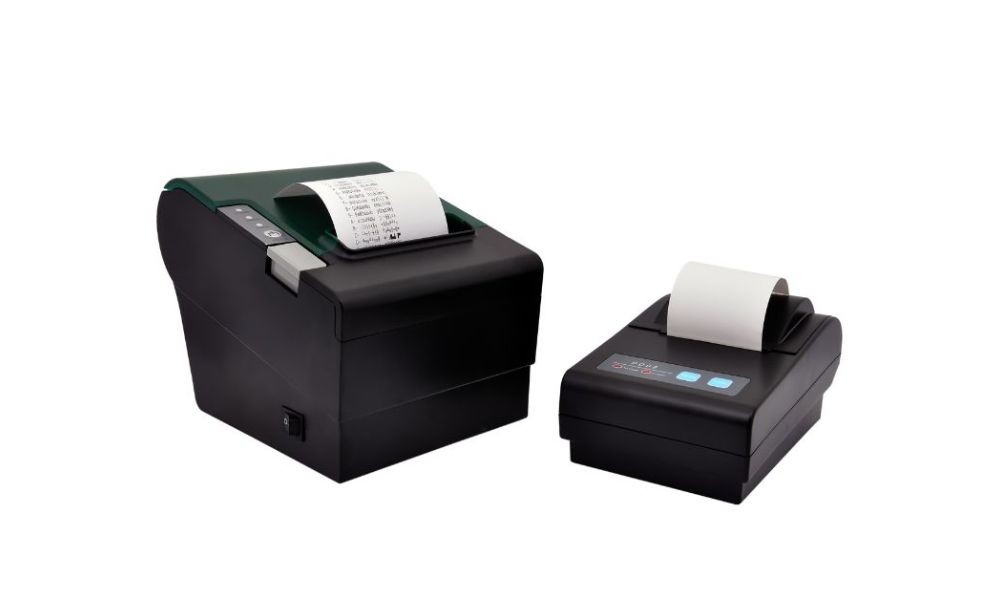
Thermal printers use heat instead of ink or toner to create images and text. They rely on special heat-sensitive paper that reacts when exposed to temperature changes. Inside the printer, a thermal print head heats up tiny, precisely controlled areas of the paper. When these heated spots make contact, the paper darkens, forming the required characters, barcodes, or graphics.
This printing method is both fast and quiet, which makes thermal printers ideal for busy checkout counters, offices, or environments where noise needs to be kept low. Since they don’t use ink cartridges or ribbons, they also require very little maintenance—the only consumable you need to replace is the thermal paper itself.
Thermal printers are designed to be reliable and durable, delivering consistent performance even under heavy daily use. This combination of speed, simplicity, and ruggedness makes them a top choice for businesses that need efficient, hassle-free printing.
a. Print Quality and Durability
- Produce clear and sharp text and graphics.
- Prints may fade over time when exposed to heat, sunlight, or chemicals.
- Best suited for short-term documents like receipts and tickets.
- Businesses needing long-term records should consider digital storage or other printing methods.
b. When Thermal Printers Make Sense
- Perfect for businesses needing quick, quiet, and low-maintenance printing.
- Common in retail checkouts, restaurants, and ticketing systems.
- Portable models allow printing on-the-go, useful for logistics and events.
- Eco-friendly thermal papers now available — chemical-free and recyclable.
- Support sustainability goals and appeal to environmentally conscious consumers.
Impact Printers and Their Role
Impact printers—most commonly dot matrix printers—operate using a simple yet effective mechanical printing principle. Inside the printer, a print head containing tiny metal pins rapidly strikes an inked ribbon against the paper. Each strike forms a small dot, and thousands of these dots combine to create characters, images, or entire documents.
Because of this mechanical action, impact printers are generally noisier and slower than modern thermal printers. However, they offer a significant advantage: they can print on multi-part forms, such as carbon copy papers. This makes them invaluable in environments where duplicate or triplicate records are required without using additional devices.
Impact printers remain widely used in logistics, government offices, warehouses, and industrial settings, where durable, long-lasting records are essential. Their versatility allows them to handle invoices, shipping labels, multi-copy forms, and other documents that need to be produced in multiple layers at once.
a. Durability and Longevity
- Fade-resistant Prints: Ink from ribbons is long-lasting and less prone to fading over time.
- Rugged Use: Can print on rough or thick paper types that thermal printers can’t handle.
- Environmental Resistance: Performs well in dusty, humid, or high-temperature
- Reliable Output: Ensures printed materials stay legible and intact even in harsh environments.
b. Cost Considerations and Maintenance
- Upfront Cost: Generally affordable to purchase.
- Consumables: Require regular ribbon replacements and occasional mechanical maintenance.
- Speed: Slower printing speed, making them less ideal for high-traffic retail settings.
- Operating Costs: Must consider ribbon and paper expenses in long-term budgeting.
- Long-Term Value: Offers cost savings over time due to durable prints and fewer reprints needed.
c. Reliability and Practical Use
- Independent Operation: Can function in areas with limited electricity or frequent power outages.
- Low-Tech Advantage: Works well in remote or industrial locations without advanced systems.
- Ease of Use: Designed with simple interfaces for quick setup and minimal training.
- Dependability: Provides consistent performance in challenging or low-resource environments.
Comparing Thermal and Impact Printers Side by Side
Deciding between thermal and impact printers boils down to your specific business needs. Here’s a breakdown of key factors to consider:
a. Speed and Noise
Thermal printers are fast and quiet, ideal for busy environments where efficiency and a calm atmosphere matter. Impact printers are slower and louder, which can be disruptive in customer-facing settings. The speed of thermal printers can significantly enhance customer satisfaction, particularly in high-volume scenarios like checkout lines or ticketing booths, where every second counts. In contrast, the noise generated by impact printers can be a drawback in settings where a pleasant ambiance is crucial, such as cafes or retail stores, potentially detracting from the customer experience.
b. Print Quality and Longevity
Thermal printers produce sharp, clean receipts, but the print can fade over time. This fading can be a concern for businesses that need to retain records for extended periods. On the other hand, impact printers’ output is less crisp but more durable, especially for archival purposes or multi-part forms. The ability of impact printers to create carbon copies makes them invaluable in situations where multiple records are necessary, such as in medical or legal settings, ensuring that all parties have a reliable copy of the documentation.
c. Cost and Maintenance
Thermal printers usually cost more initially but have lower ongoing costs since they don’t use ink ribbons. This makes them an attractive option for businesses looking to minimize long-term expenses. Impact printers have a lower upfront price but require frequent ribbon replacements and more maintenance, which can add up over time. It’s essential to factor in not just the purchase price but also the total cost of ownership, including maintenance, supplies, and potential downtime, when making a decision.
d. Use Cases and Environment
Thermal printers excel in retail, hospitality, and ticketing where speed and quiet operation are priorities. Their compact size and ease of use make them a favorite in mobile applications, such as food trucks or pop-up shops. Impact printers are better suited for industrial environments, warehouses, and applications needing multi-part forms or long-lasting records. They are often preferred in environments where durability is critical, such as manufacturing or logistics, where printed materials may be exposed to harsh conditions. Additionally, the ability to print on a variety of media types, including labels and tags, gives impact printers a versatility that can be advantageous in specific operational contexts.
Making the Right Choice for Your Business
Before investing in a receipt printer, take a close look at how you’ll use it. Ask yourself these questions:
- How quickly do receipts need to be printed?
- Will the receipts need to last a long time or be kept as records?
- Is quiet operation important in your environment?
- Do you need multi-part forms or carbon copies?
- What’s your budget for upfront costs and ongoing maintenance?
For a fast-paced retail or food service business, a thermal printer is often the best fit. The speed and low maintenance help keep lines moving and reduce hassle. On the other hand, if your business requires durable receipts, multi-part forms, or you operate in a rough environment, an impact printer might be the smarter choice.
Consider Hybrid Solutions
Some businesses find value in using both types of printers. For example, a retail store might use thermal printers at checkout counters for quick customer receipts while relying on impact printers in the back office for printing multi-part shipping documents or invoices.
Final Thoughts on Receipt Printer Selection
Choosing between thermal and impact printers isn’t just about technology-it’s about matching the printer’s strengths to your business’s unique demands. Both have stood the test of time for good reasons.
Thermal printers offer speed, quiet operation, and low maintenance, making them ideal for customer-facing roles where efficiency is key. Impact printers provide durability, the ability to print on multi-part forms, and cost-effective upfront pricing, which suits certain industrial and administrative tasks.
Investing time in understanding these differences will pay off with smoother operations, happier customers, and receipts that meet your business’s needs perfectly.

 March 27, 2026
 March 20, 2026
 March 15, 2026
 March 10, 2026
 February 27, 2026
 February 23, 2026