How to Choose the Right Cash Register for Your Business
Choosing the right pos cash register may not be the first thing new business owners think about, but it’s one of the most important decisions you’ll make for daily operations. A good cash register improves accuracy, enhances customer experience, prevents theft, and grows with your business. On the other hand, the wrong system can lead to lost sales, frustrated staff, and endless headaches.
In this guide, we break down everything you need to know to pick the best cash register for your business, from basic features and pricing to advanced point-of-sale systems and future-proofing your operations.
1. Understand Your Business Type
The first step in choosing the right cash register is understanding the nature of your business. Retail stores, restaurants, salons, and service-based businesses all have different operational requirements. For example, a restaurant may need table management and tipping features, while a retail store benefits from barcode scanning and inventory tracking. Selecting a register designed for your industry ensures smoother daily operations and fewer workarounds.
2. Evaluate Transaction Volume
Your average number of daily transactions plays a major role in determining the type of cash register you need. Businesses with low transaction volumes can function well with simple registers, while high-volume stores require faster, more robust systems to avoid delays. A register that can process transactions quickly reduces checkout lines and improves customer satisfaction during busy periods.
3. Choose Between Traditional and POS Systems
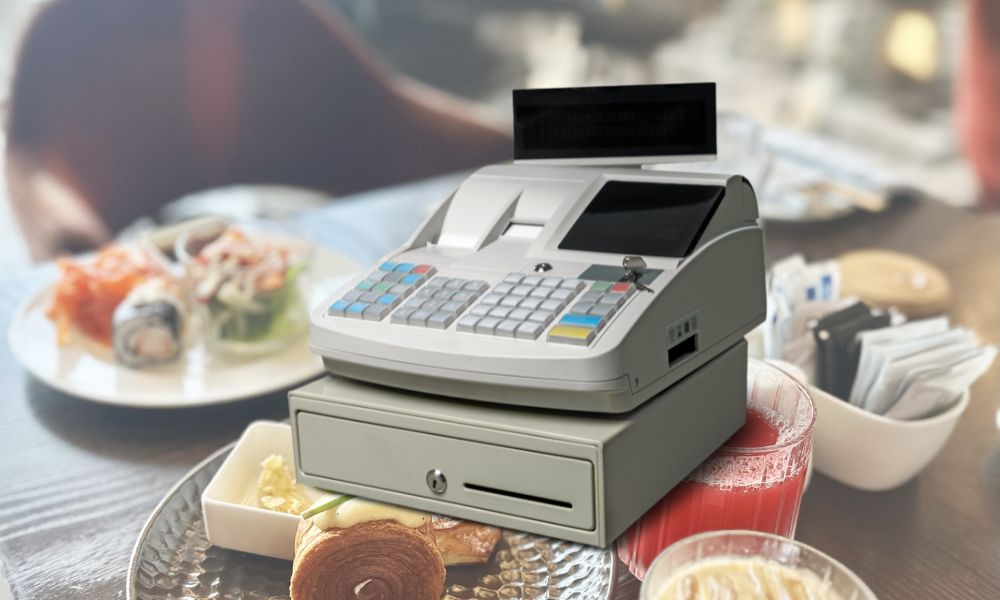
Cash registers generally fall into traditional registers and modern point-of-sale (POS) systems. Traditional registers handle basic tasks like calculating totals and printing receipts, making them suitable for very small businesses. POS systems, on the other hand, offer advanced features such as sales analytics, inventory management, and customer data tracking, making them ideal for growing businesses.
4. Prioritize Ease of Use
A cash register should be easy for employees to learn and operate. Complicated systems increase training time and raise the risk of errors during transactions. User-friendly interfaces, clear buttons, and logical workflows help employees work confidently and efficiently, especially during peak business hours.
5. Look for Sales Reporting and Analytics
Sales reporting is one of the most valuable features of a modern cash register. Detailed reports allow you to track daily sales, identify top-selling products, and monitor peak business hours. These insights help business owners make informed decisions about pricing, promotions, staffing, and inventory planning.
6. Consider Inventory Management Features
For product-based businesses, inventory management is essential. A cash register with built-in inventory tracking updates stock levels automatically after each sale. This helps prevent overstocking, reduces the risk of running out of popular items, and saves time compared to manual stock counts.
7. Ensure Accurate Tax Calculation
Accurate tax calculation is crucial for legal compliance and financial accuracy. A good cash register should automatically apply the correct tax rates to transactions and generate tax reports for accounting and filing purposes. This reduces human error and simplifies the tax preparation process.
8. Support Multiple Payment Methods
Customers expect flexibility when it comes to payment options. Your cash register should support cash, credit and debit cards, and contactless payments such as mobile wallets. Offering multiple payment methods improves convenience and can increase sales by meeting customer preferences.
9. Focus on Security Features
Security is an important factor when choosing a cash register. Features such as employee login IDs, permission controls, and transaction logs help prevent theft and unauthorized access. A secure system protects both your cash and your business data while promoting accountability among staff.
10. Check Integration Capabilities
Modern businesses often use multiple software tools for accounting, inventory, and online sales. A cash register that integrates with these systems helps keep data consistent and reduces manual data entry. Integration saves time, improves accuracy, and provides a clearer financial picture of your business.
11. Consider Hardware Requirements
Cash registers often include additional hardware such as receipt printers, barcode scanners, cash drawers, and customer displays. When choosing hardware, consider your available counter space, durability needs, and whether you require mobile or fixed terminals. The right pos hardware setup enhances efficiency and customer interaction.
12. Evaluate Costs and Budget
Cost is an important consideration, but it should not be the only factor. Some systems have low upfront costs but high ongoing fees, while others require a larger initial investment with fewer monthly expenses. Understanding the total cost of ownership helps you choose a system that fits your budget without sacrificing essential features.
13. Plan for Training and Support
Even the best cash register requires proper training. Choose a system that offers training resources, tutorials, and reliable customer support. Good support ensures issues are resolved quickly and minimizes downtime, keeping your business running smoothly.
14. Think About Future Growth
Your cash register should grow with your business. If you plan to expand, add locations, or increase product offerings, choose a system that can scale easily. Future-proofing your investment saves money and prevents the need for frequent system replacements.
Quick Checklist Before You Buy
✔ Does it handle the payment types you need?
✔ Does it track inventory or integrate with someone who does?
✔ Is reporting easy to access and understand?
✔ Can employees access it securely?
✔ Does it fit your space and workflow?
✔ Is the cost justified by the benefits?
✔ Does support come from the manufacturer or a local reseller?
Conclusion
Choosing the right cash register is about finding a balance between functionality, ease of use, and cost. By understanding your business needs, evaluating features carefully, and planning for growth, you can select a cash register that improves efficiency, enhances customer experience, and supports long-term success. A well-chosen system is not just a tool, it’s an investment in your business’s future.

 March 27, 2026
 March 20, 2026
 March 15, 2026
 March 10, 2026
 February 27, 2026
 February 23, 2026